


I moved to Annecy, France, by myself (well, me and my dog) on a long-stay visitor visa. I had the visa, the savings, and three huge suitcases. What I didn’t have was anyone telling me the real stuff: why nobody would rent me an apartment, how the visa actually works once you land, and what everyday life feels like as a Black American woman in a small French city.
So this is that guide. Everything I learned living in Annecy for a year, the good, the hard, and the funny, plus the current official rules so you can plan your own move the right way.
Here’s where it started, 30 days before I left:

Why Annecy?
Annecy is a small city in the French Alps, near the Swiss border, with a lake, canals, mountains, and an old town that looks like a postcard. It’s quieter and slower than Paris, which is exactly what I wanted for a long stay. It also put me close enough to take trips to Marseille, Lyon, and Geneva.
I loved it so much that I went back this year and stayed at an aparthotel near the train station. Here’s my honest review of Aparthotel Adagio Annecy Centre.
Step 1: Get the right visa (the long-stay visitor visa)
If you want to live in France for more than 90 days without working, the visa most Americans use is the long-stay visitor visa. That’s the one I had. One of the questions I get most is how I got mine, so I went live with my best tips:
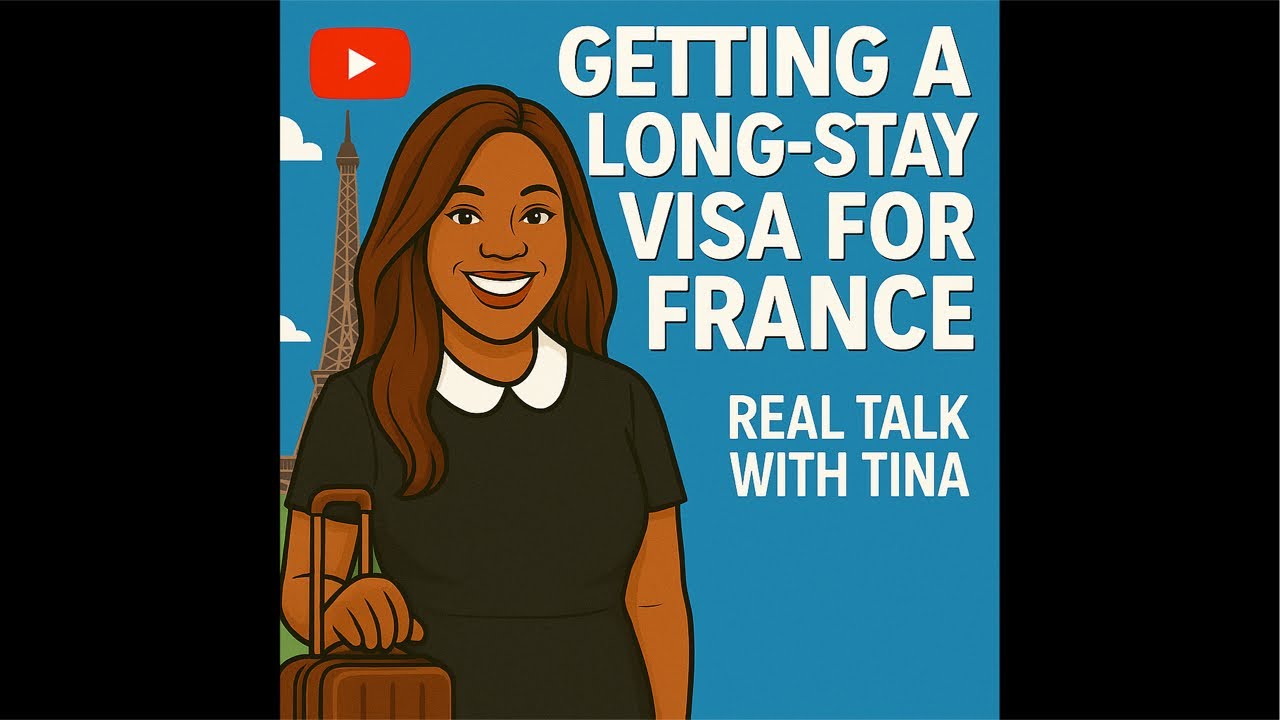
Here’s how the visitor visa works today, according to France’s official government sites:
- It’s a long-stay visa that also serves as your residence permit (called a VLS-TS) for stays of up to one year.
- You can’t work in France. You sign a written statement promising not to work there.
- You have to show you can support yourself. As of the official page last updated June 1, 2026, the minimum for a single person is €1,477.93 net per month, over one year.
- You need health insurance that covers your whole stay.
- You must validate your visa online within 3 months of arriving in France and pay a tax. Don’t skip this step.
Visa rules and amounts change. Always check France-Visas, Service-Public.fr, and your consulate’s current requirements before you apply.
The real talk: “no work” means no work in France. That rule ended up affecting much more than my bank account. It affected where I could live.
Step 2: Plan your housing before you land (this is where I struggled)
I sell real estate for a living, so I thought finding an apartment would be the easy part. It was the hardest part of my whole move.
I could show I had the money to pay rent for the full year. But because I didn’t have a work contract with a French company, the rental agencies in Annecy wouldn’t rent to me. So I bounced from hotel to hotel. I even went back to Airbnb after promising myself I never would. I had a host cancel the day before my stay because she changed her mind about my dog, and another place had cameras in the living room until I asked about them. I tried Le Bon Coin, the French site similar to Craigslist, and found the same problem Craigslist has: scams.
Some of it felt racial to me, and I said so at the time. I wrote the whole story while it was happening: Renting in France as an American: What Nobody Tells You. And I filmed my apartment search:

Eventually I moved in with a French family, which taught me a lot (more on that below).
What I’d do differently now
- Book a furnished, flexible place for your first month or two (an aparthotel or a long-stay rental) so you’re not apartment hunting from a hotel room.
- Build your rental file before you go. France has an official, limited list of documents a landlord is allowed to ask a renter for. The French government’s free DossierFacile service helps you put together a verified rental file you can share with landlords.
- Ask about guarantors early. French landlords often want a guarantor. According to French real estate network Orpi, the law doesn’t let a landlord refuse a guarantor just because they’re foreign or live outside France, though landlords can ask for documents to be translated into French.
- Know that housing discrimination is illegal in France. The government explains your rights on its housing page.
- Look at private landlords, not just agencies. In my experience, the agencies were the strictest about the French work contract.
Step 3: Pack smart (I packed three huge suitcases)
I knew finding plus-size clothes in France would be hard, so before I left I bought all my staples at Nordstrom: coats, sweaters, jeans, skirts, and shoes. I arrived with three huge suitcases, carry-ons, and my dog. It worked, but hauling all that luggage was expensive and made traveling around Europe harder.
My advice: bring the basics that are hard to find in your size (jeans, bras, a good coat), and shop France for beauty and accessories. I wrote a full guide on that: Shopping in France Like a Local.

Step 4: Learn French, even a little
I took French classes three hours a day in Annecy. Most of my classmates were refugees from all over the world. They could take the classes for free, and as an American I paid, which I was fine with. Some of my favorite moments in France happened in that classroom.
Even a little French changes how people treat you at the bakery, the doctor’s office, and the préfecture. If you can’t do in-person classes, an app is a good start. I use Babbel and wrote about 10 ways Babbel helps you learn a language faster. You can try Babbel here.
Want my own tips? My guide 20 Tips To Learn French ($19.99) is an easy place to start.
Step 5: Expect everyday life to be different
After nine months, I made a video about the things that shocked me most:

A few things that stood out for me:
- Living with a French family taught me more about daily French life than any class. I shared what I learned.
- The dentist. Story time: they didn’t numb me before they drilled. Ask questions before any procedure.
- Dating. I talked about dating in France from a Black American girl’s perspective.
- The pace. Things take longer, shops keep different hours, and paperwork is its own sport. Build in patience.
What I wish I knew before moving to France
Looking back, I went live with everything I wish someone had told me before I moved:
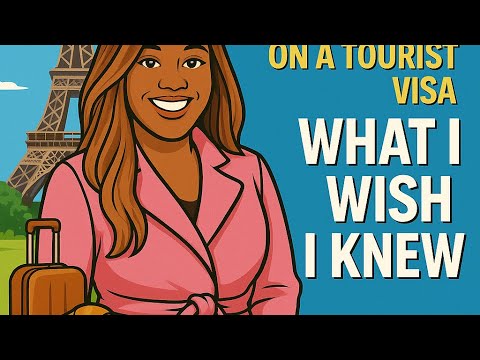
My short list:
- Housing is harder than the visa. Plan it first.
- “No work” on a visitor visa affects more than your income. It affects how landlords see you.
- Validate your visa within 3 months. Put it on your calendar the day you land.
- Pack your hard-to-find basics, then pack lighter than you think.
- Learn some French before you go. It opens doors.
- Find your people. My French class and the family I lived with made France feel like home.
Want the whole journey, month by month? I put every update in one place: My life in France, month by month. And here are the 5 top lessons I learned traveling abroad solo for a year.
Frequently asked questions
What visa do Americans need to live in France for a year without working?
Most use the long-stay visitor visa (VLS-TS “visiteur”). You promise not to work in France, show enough money to support yourself, have health insurance for your whole stay, and validate the visa online within 3 months of arriving.
How much money do you need for a French visitor visa?
As of the official page updated June 1, 2026, the minimum for a single person is €1,477.93 net per month, over one year. Check Service-Public.fr for the current amount before you apply.
Can you work in France on a visitor visa?
No. The visitor visa requires you to commit to not working in France.
Is it hard for Americans to rent an apartment in France?
It was for me. Agencies in Annecy wouldn’t rent to me without a French work contract, even though I could show a year of rent. Start with a flexible furnished stay, build your file with DossierFacile, and look at private landlords too.
Is Annecy a good place to live as an American?
For me, yes. It’s beautiful, walkable, and calmer than Paris, with Geneva nearby. It’s a smaller city, so expect fewer English speakers and fewer big-city conveniences.
Your turn, Home Base
Are you dreaming about moving abroad? What’s the one thing holding you back? Tell me in the comments, and I’ll answer as many as I can.
Want more? Subscribe to my YouTube channel for my France videos and travel real talk.
Plan your move like an insider
Get the real talk in your inbox: join my free newsletter for travel tips and life abroad.
Learning French before you go? Get my 20 Tips To Learn French.
Visiting Paris first? My Ultimate Travel Guide: Paris, Berlin & Prague shares my top local picks for each city, plus a bonus secret location.
Some links on this page are affiliate links, which means I may earn a small commission at no extra cost to you.